
Understanding Plant-Based Compostable Plastic for Sustainable Food Packaging
As businesses in Hawaii transition to eco-friendly takeout containers, one material comes up again and again: PLA. But what exactly is PLA, where does it come from, and why is it used in food packaging?
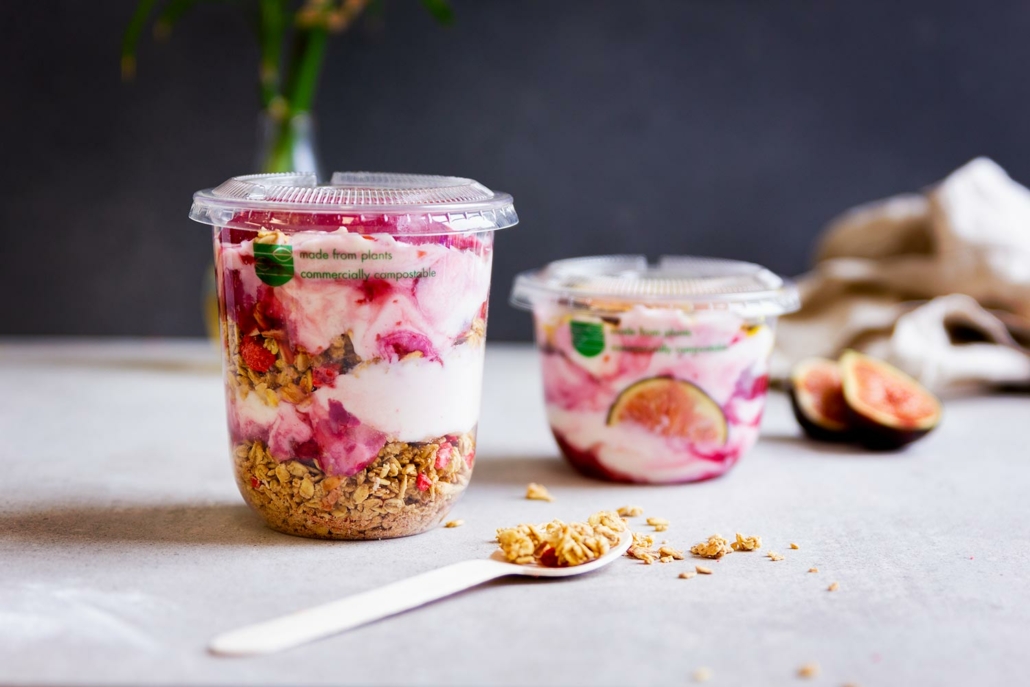
What Is PLA?
PLA stands for Polylactic Acid, a plant-based material used as an alternative to traditional petroleum-based plastics.
PLA is commonly used in:
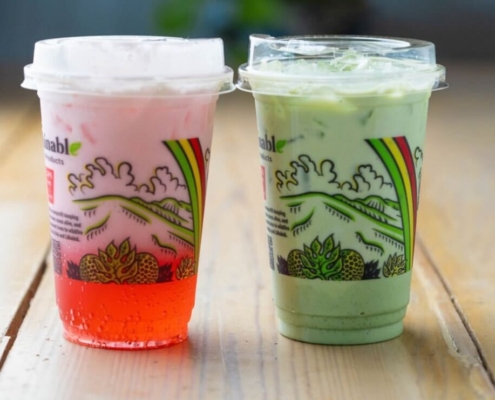
- Compostable cold cups and lids
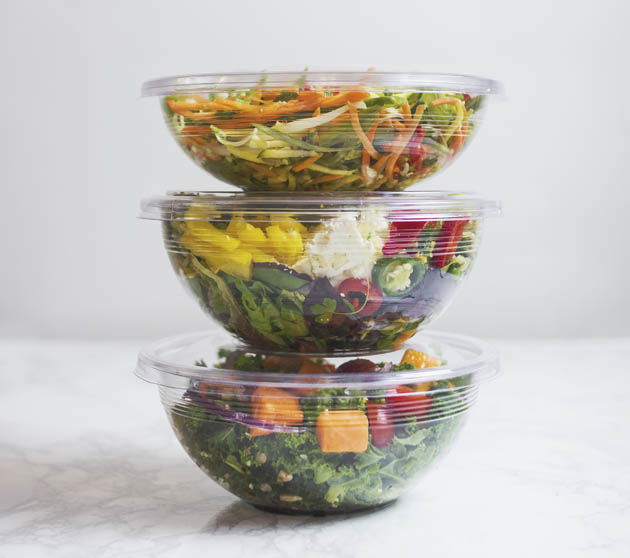
- Clear deli containers and takeout packaging
- Sustainable food service film and wraps
- Some compostable cutlery and portion cups
Because it looks and performs similarly to conventional plastic, PLA allows restaurants to maintain functionality while transitioning to more eco-friendly food packaging solutions.
Where Does PLA Come From?
PLA is derived from renewable plant resources, most commonly corn. The production process typically involves:
- Growing crops such as corn or sugarcane
- Extracting natural sugars from the plants
- Fermenting those sugars to produce lactic acid
- Converting lactic acid into polymer resin (PLA)
- Manufacturing compostable products like cups, containers, and packaging films
This process makes PLA a bio-based plastic alternative, reducing reliance on fossil fuels and supporting renewable material cycles.
Is PLA Compostable?
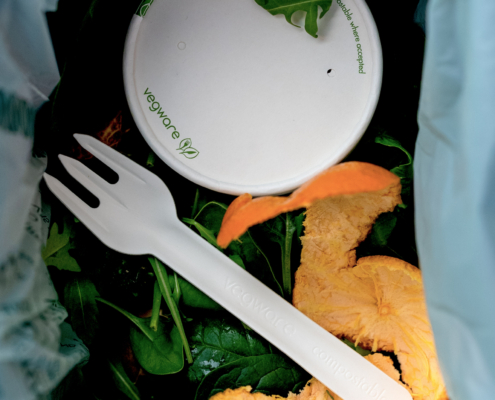
Yes. PLA is certified compostable when processed in a commercial composting facility. Under the right conditions, PLA products can break down within a few months.
However, it’s important to understand:
- PLA requires industrial composting conditions to break down efficiently
- Proper sorting and composting infrastructure are essential
For Hawaii restaurants, choosing PLA products is most impactful when paired with composting programs or sustainable waste initiatives.
Why PLA Is Important for Hawaii’s Food Service Industry
Hawaii faces unique environmental challenges, including limited landfill capacity and high waste transportation costs. Using PLA compostable food packaging and biodegradable takeout containers helps reduce long-term environmental impact.
Benefits of PLA packaging include:
- Made from renewable plant resources
- Lower reliance on petroleum-based plastics
- Supports the transition to compostable restaurant supply systems
- Helps businesses align with sustainability regulations and customer expectations
- Maintains clarity and durability for food service applications
PLA allows restaurants to balance performance, sustainability, and customer experience.

Common Misconceptions About PLA
Many people assume PLA is the same as traditional plastic. In reality:
- PLA is not recyclable in most standard recycling streams
- It performs best when part of a commercial composting system
- Proper education is essential for maximizing environmental benefits
Understanding these distinctions helps restaurants use compostable packaging responsibly and effectively.
The Role of PLA in Sustainable Packaging
PLA is one of several materials helping the food service industry transition toward eco-friendly takeout containers and compostable food packaging. While it is not a perfect solution on its own, it plays an important role in reducing reliance on fossil fuels and supporting more circular waste systems.
For Hawaii businesses committed to sustainability, PLA products are a practical step toward greener restaurant operations and responsible packaging choices.
 https://sustainableislandproducts.com/wp-content/uploads/DSC05360-copy-scaled-e1773440091495.jpg
2325
1707
Sustainable Island Products
https://sustainableislandproducts.com/wp-content/uploads/logo-300x88.png
Sustainable Island Products2026-03-15 12:15:262026-03-13 12:15:42What does “Compostable” actually mean?
 https://sustainableislandproducts.com/wp-content/uploads/IMG_3024.jpg
741
1170
Sustainable Island Products
https://sustainableislandproducts.com/wp-content/uploads/logo-300x88.png
Sustainable Island Products2026-03-12 09:16:352026-03-12 09:18:05What is Cups for a Cause?
 https://sustainableislandproducts.com/wp-content/uploads/Vegware_concept_bellapots_BEL-08G_BEL-10G_BEL-12G_BEL-16G_yogurt_fruit_tile_spoon_lids_portrait-scaled.jpg
2560
1706
Sustainable Island Products
https://sustainableislandproducts.com/wp-content/uploads/logo-300x88.png
Sustainable Island Products2026-02-16 14:16:212026-03-16 14:36:03What is PLA, and Where Does it Come From?

