A Guide for Hawaii Restaurants Choosing Sustainable Food Packaging
As more Hawaii restaurants transition to eco-friendly food packaging, the word “compostable” is everywhere. But what does it actually mean, and how is it different from “biodegradable” or “recyclable”? Understanding this terminology is essential for making informed decisions and staying compliant with local legislation.
What Is Compostable Food Packaging?
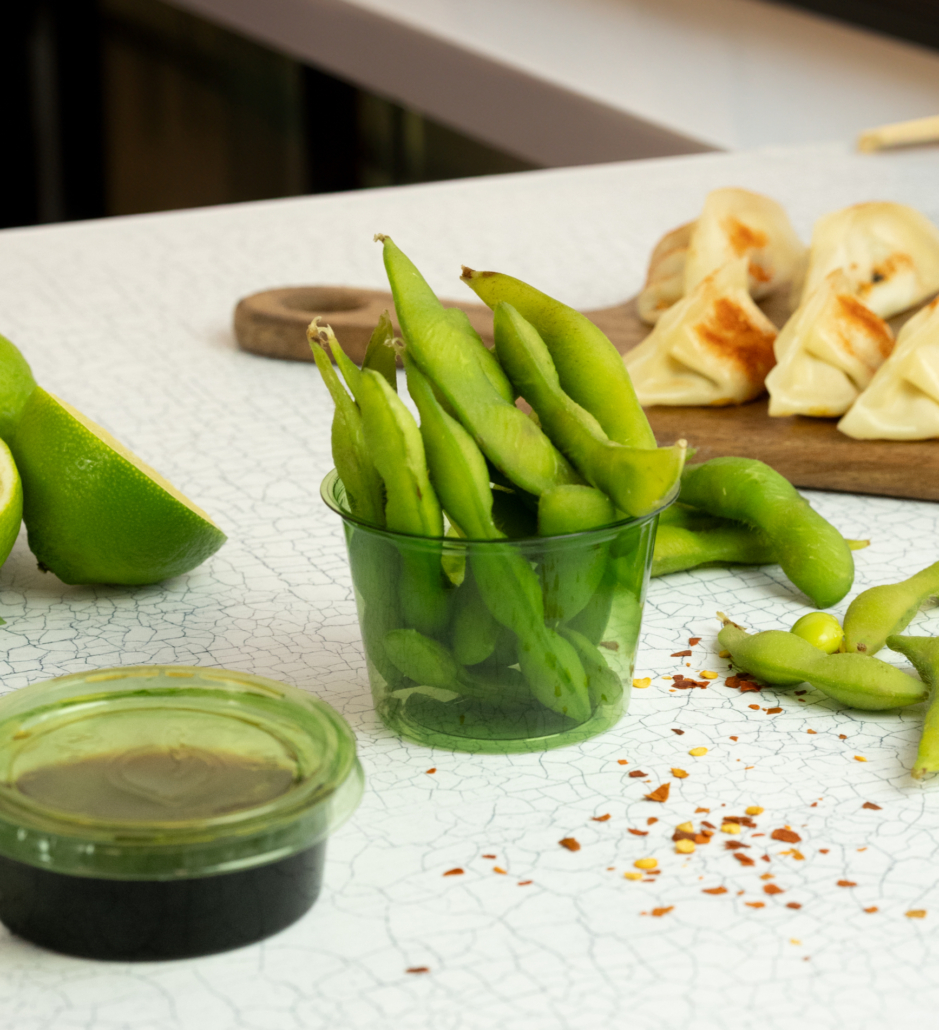
Compostable products are designed to break down into natural elements in a controlled composting environment, leaving behind nutrient-rich material that supports soil health. Unlike traditional plastics, compostable takeout containers are made from plant-based renewable materials such as:
- Corn
- Sugarcane fiber (bagasse)
- Agricultural byproducts
- Sustainably sourced paper with plant-based linings
- Natural wood or bamboo
Compostable vs. Biodegradable: What’s the Difference?
Compostable products:
- Break down within a specific timeframe
- Leave no harmful residue or microplastics
- Third-party certified to meet composting standards (ASTM D6400)
- Accepted in commercial composting facilities
Biodegradable products:
- No specified timeframe for degradation
- May take hundreds of years to break down
- May leave behind microplastics or residues
- Not always certified or regulated
- Not necessarily accepted in composting programs
Why Compostable Packaging Matters in Hawaii
Hawaii’s waste management challenges make compostable packaging especially important. With limited landfill space and high transportation costs for waste, choosing compostable takeout containers and eco-friendly restaurant supplies helps reduce long-term environmental impact.
Benefits of compostable packaging include:
- Reducing landfill volume
- Supporting local composting initiatives
- Lowering reliance on petroleum-based plastics
- Helping restaurants meet evolving sustainability regulations
- Aligning with customer expectations for environmentally responsible practices
Using compostable clamshells, cups, and food packaging is one of the most practical ways Hawaii food service businesses can contribute to sustainability.
Do Compostable Products Break Down Anywhere?
Most compostable food packaging is best suited to a commercial composting facility.
These facilities provide:
- Controlled temperature and moisture levels
- Microbial activity that accelerates breakdown
- Proper processing timelines (typically 2–4 months for many products)
How Restaurants Can Use Compostable Packaging Effectively
To maximize the environmental benefits of compostable food packaging, Hawaii restaurants can:
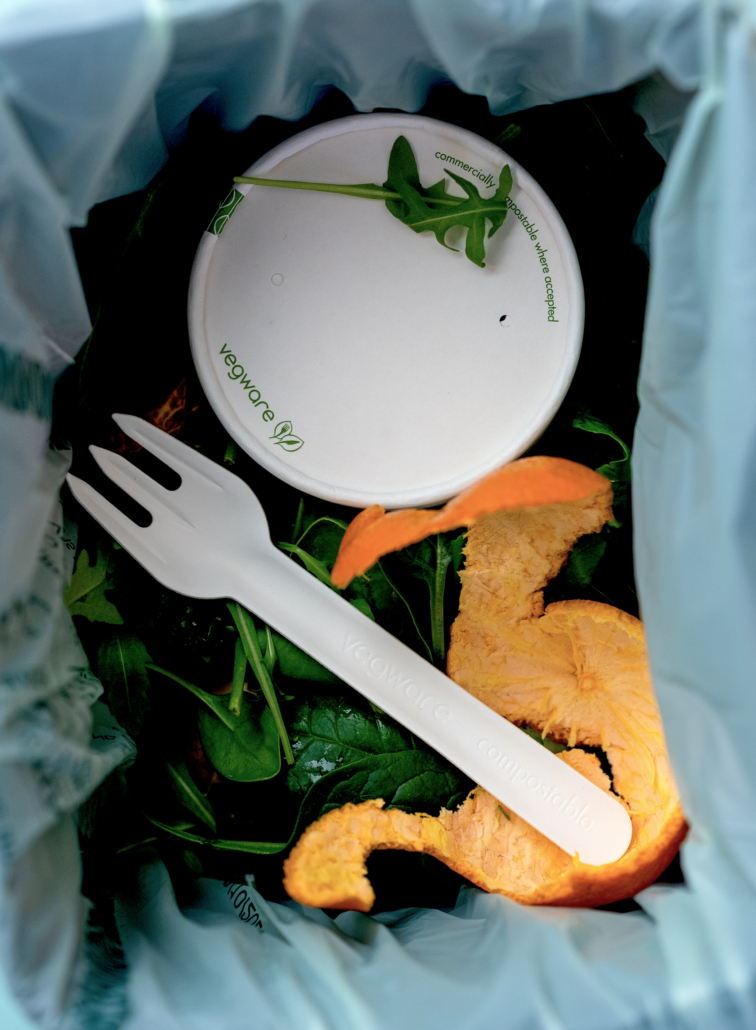
- Choose third-party certified compostable takeout containers and utensils
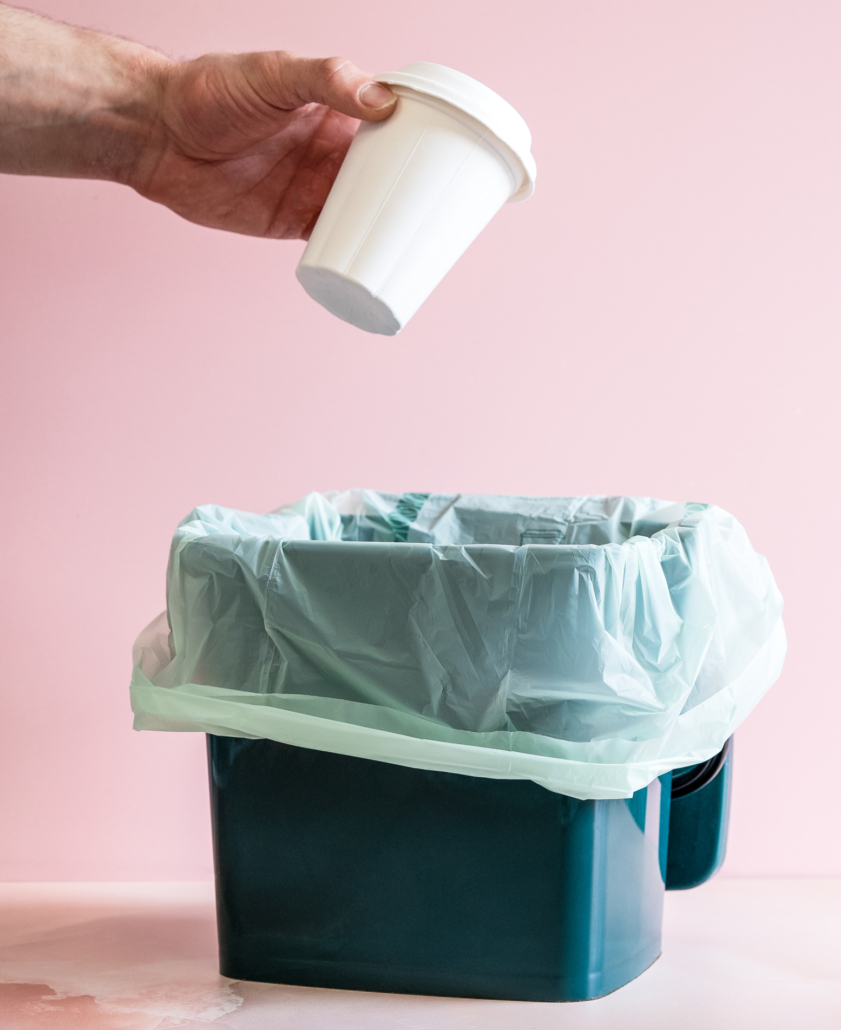
- Educate staff and customers about proper disposal
- Partner with local composting services where available
- Integrate sustainability messaging into branding and customer experience
These steps help ensure that eco-friendly food packaging actually achieves its intended impact.
Compostable Packaging Is Part of a Bigger Sustainability Strategy
Switching to compostable restaurant supplies and biodegradable takeout containers is an important step, but it’s just one part of a broader sustainability approach that includes waste reduction, responsible sourcing, and community engagement.
As Hawaii continues to invest in sustainable waste solutions, compostable packaging will play a critical role in shaping the future of food service across the islands.